Nigeria’s trade policy is undergoing a seismic shift. From tightened customs clearance channels to sharply increased macro tax targets, signals indicate traditional export models are under severe pressure. For companies trading in telecom, PV and energy storage products, how can you find certainty amid high tariffs and congested ports? This article provides an in-depth analysis of Nigeria’s latest policies and explains how ONESUN — a leading global energy solutions provider — helps B2B customers capture opportunities during the crisis.
- Policy analysis: the industrial logic behind the 9-trillion-naira tax target The Nigerian government’s announced macro tax target of 9 trillion naira for 2026 reflects not only urgent fiscal needs but also a clear industrial-policy intent to protect and promote local industry.
- Tariffs as industrial policy: As shown in the attached image, Nigeria’s tariffs function not just as a revenue tool but as a deliberate industrial policy instrument.
- From imports to local production: The core aim of tariff adjustments is to incentivize domestic manufacturing and strengthen local value chains.
- Punitive tariffs in practice: For example, the National Automotive Council (NAC) tax imposes up to 15% on imported used vehicles to raise import costs and redirect capital to local assembly. Interpretation: This “tax-to-produce” logic is spreading into power and energy infrastructure. Telecom site batteries, PV and storage systems and other high-value products are likely to face increasing non-tariff barriers and cost pressures.
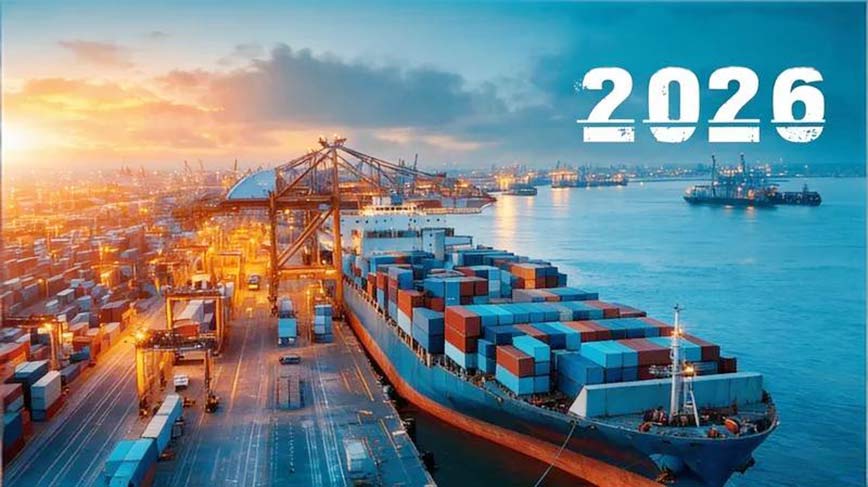
- Current alert: Apapa port paralysis and customs “marathon” The situation is acute. With adjustments to clearance policy and the cancellation of previous “fast-track” channels, the following chain reactions have occurred:
- Clearance gridlock and standoffs: The Nigeria Customs Service and importers are in serious policy confrontation.
- Port congestion normalized: Apapa — Nigeria’s principal gateway — is largely congested; many containers are stuck at port and cannot be released.
- Soaring costs: Longer clearance times mean higher demurrage and storage charges, dramatically increasing total clearance costs. For exporters to Nigeria, this compresses margins and strains cash flow.
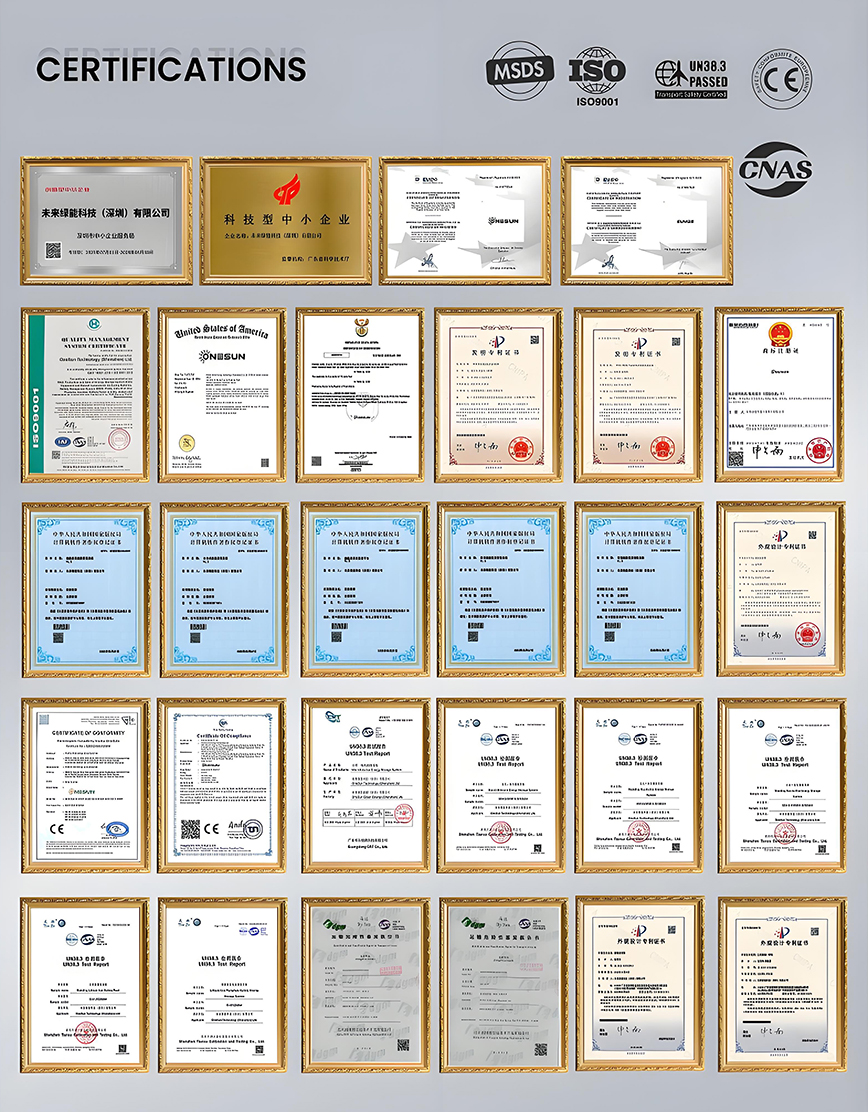
- Why ONESUN is a preferred partner in a changing landscape In uncertain markets, partnering with a brand that combines strong credibility, flexible delivery and excellent product performance is critical. As a global battery manufacturer, ONESUN (Wanyang Energy) offers a “China solution” well-suited to navigating these trade barriers.
- Core product lines that target Nigeria’s infrastructure gaps Nigeria has a large energy deficit; ONESUN’s product portfolio maps directly to the country’s highest growth segments:
- Telecom site batteries: high-cycle, long-life backup power for rapidly expanding networks.
- Integrated solar systems and residential/utility-scale energy storage (BESS): full-spectrum storage from 5 kWh to MWh addressing grid instability.
- PAYGO solutions: pay-as-you-go models that lower entry barriers for end users and unlock last-mile retail adoption.
- OEM & ODM: the optimal route to meet localization requirements To address Nigeria’s “local industry protection” trend, ONESUN’s strong OEM and ODM capabilities enable B2B customers to achieve local branding and assembly:
- Mitigating trade restrictions: Customers can localize product branding and consider SKD (semi-knocked-down) assembly to access lower tariff rates.
- Tailored engineering: ONESUN can develop battery systems adapted to Nigeria’s high-temperature, high-humidity conditions, improving local performance and pricing power.
- Beyond products: ONESUN’s end-to-end solutions Given current port and clearance disruptions, ONESUN leverages global logistics and supply-chain expertise to offer:
- Resilient supply chains: safeguarding cargo ownership and delivery timelines amid raw-material volatility and shifting trade policies.
- Technical support and brand enablement: standardized, modular designs reduce installation and after-sales costs, which is a competitive hedge when clearance costs surge.

Nigeria’s tariff turbulence is a litmus test. Under the twin pressures of a 9-trillion-naira tax target and port congestion, low-value, traditional trade models will be accelerated toward obsolescence. Partners that invest in localization and possess strong technical capabilities — like ONESUN with its advanced BESS and flexible OEM/ODM offerings — can help global collaborators navigate the cycle. If you plan to ship to Nigeria or are currently affected by port policies, monitor customs developments closely. Choosing ONESUN as your energy strategy partner delivers not only high-quality batteries but greater certainty in a volatile global trade environment.
Article Source: Lithium battery manufacturer - ONESUN China
Featured Recommendations:all in one ess , complete solar kits ,solar power station , portable solar generator , liFePO4 solar battery ,off-grid solar systems, telecom lithium battery rack , Off grid rural solar power systems,communication base station battery, all in one solar inverter